Top Fruits for Neurodiverse Kids
1. Blueberries
- Why: Rich in antioxidants, vitamin C, and vitamin K, they protect brain cells and support memory.
- Extra Benefit: Anti-inflammatory effects can help with overall wellness.
2. Bananas
- Why: Great source of potassium and vitamin B6, which support muscle function and brain health.
- Extra Benefit: Gentle on digestion and provide steady energy.
3. Mango
- Why: High in vitamin A and C for immune health, plus B6 for brain development.
- Extra Benefit: Sweet taste makes it appealing for picky eaters.
4. Pineapple
- Why: Contains bromelain for digestion, plus vitamin C for immunity.
- Extra Benefit: Anti-inflammatory properties may help with joint or muscle stiffness.
5. Watermelon
- Why: Hydrating and rich in lycopene and vitamin C.
- Extra Benefit: Sensory-friendly—cool, sweet, and soothing for hot days.
6. Oranges
- Why: Packed with vitamin C and folate for brain and immune support.
- Extra Benefit: Easy to juice or turn into fun snacks.
7. Apples
- Why: Provide fiber for digestion and vitamin C for immunity.
- Extra Benefit: Crunchy texture can be calming for sensory-seeking kids.
8. Strawberries
- Why: High in antioxidants and vitamin C.
- Extra Benefit: Colorful and sweet, which can encourage healthy eating habits.
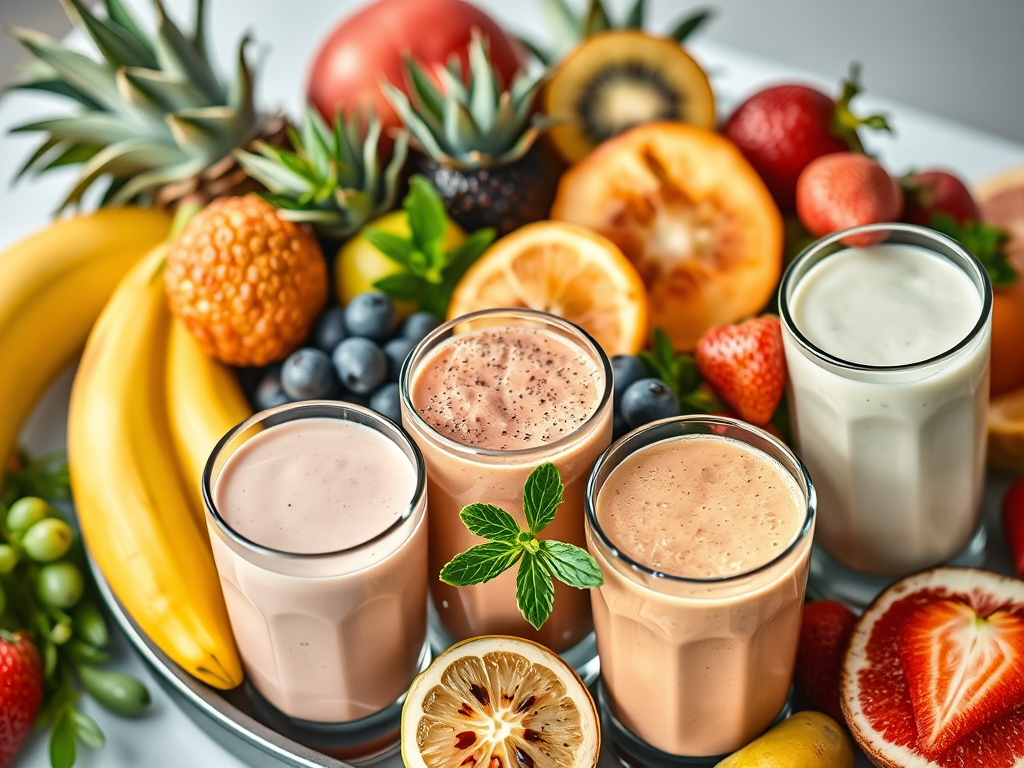
Fresh fruit is best, but smoothies and purees are great alternatives for kids with chewing or sensory challenges.
💌 For more neurodiverse nutrition tips, subscribe at HirahCares.org.
 Hirahcares