💌 For more nutrition tips and resources for kids with special needs, subscribe at HirahCares.org.
Pineapple isn’t just a tasty tropical fruit—it’s a nutrient-packed powerhouse that can support the body and mind, especially for children with disabilities. Whether served fresh, blended into smoothies, or as pure juice, pineapple offers a range of benefits that go beyond its sweet flavor.
1. Boosts Immunity
Pineapple is loaded with vitamin C, which strengthens the immune system and helps the body fight infections. For children with disabilities—who may have more frequent health challenges—this natural boost can be especially valuable.
2. Supports Digestion
This fruit contains bromelain, a natural enzyme that helps break down proteins and supports healthy digestion. It can be helpful for kids with gastrointestinal discomfort or slower digestion, making mealtime easier and more comfortable.
3. Anti-Inflammatory Properties
Bromelain also has anti-inflammatory effects, which may help reduce muscle stiffness, joint discomfort, or inflammation-related symptoms. This can be beneficial for children with physical disabilities or chronic pain.
4. Supports Bone and Growth Development
Pineapple contains manganese, which plays a role in bone strength and healthy growth—a key factor for developing children.
5. Mood and Brain Benefits
The vitamin C and antioxidants in pineapple can help protect brain cells, while the natural sugars give a gentle energy boost. Its sweet taste and tropical aroma can also provide sensory pleasure, which can be calming and uplifting.
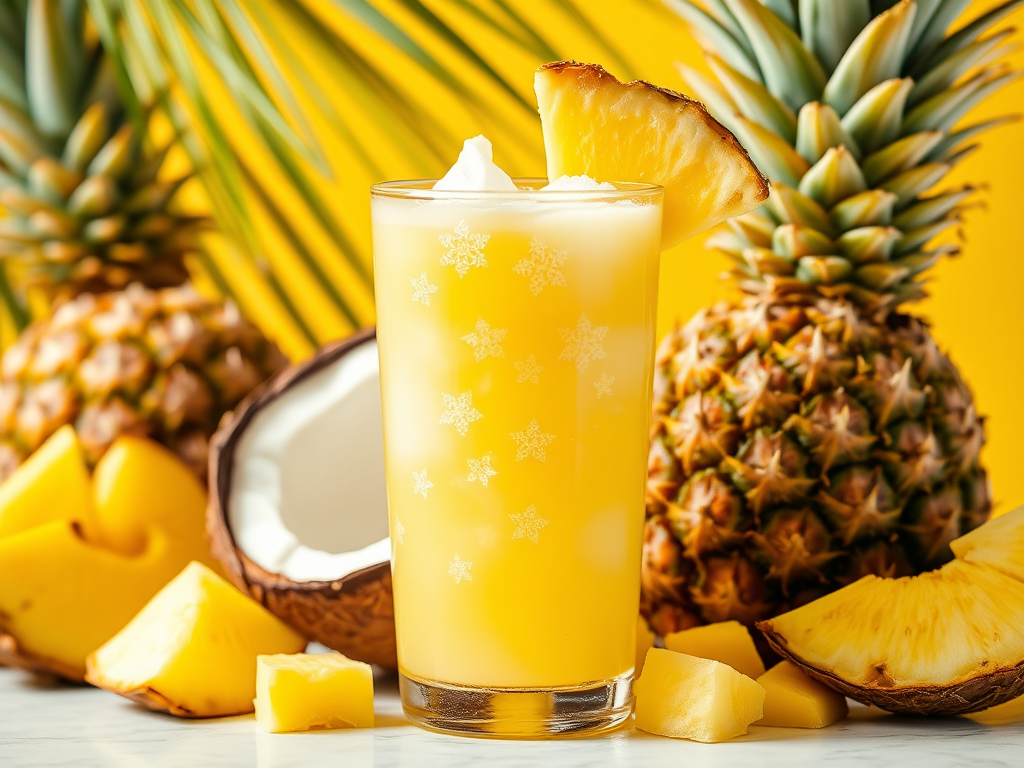
Serve pineapple juice fresh by blending chunks of ripe pineapple with a little water or coconut water. Avoid canned juice with added sugars or preservatives for maximum benefits.
 Hirahcares