If you’re about to take your child for a speech therapy evaluation, I know exactly how you feel — nervous, curious, maybe even wondering if it’s really necessary. I’ve been there. Let me walk you through what it’s like, so you feel ready.
First things first — it’s not scary.
When I took my child, the therapist started by talking to me, not my child. They asked about milestones, health history, and the little things I’ve noticed about speech and communication. It felt more like we were working as a team than me being “tested” as a parent.
Then comes the play.
Seriously — toys, books, puzzles. My child thought it was fun. But the therapist was watching closely:
- How words were pronounced
- If directions were understood
- How they interacted (eye contact, gestures, facial expressions)
Next, a bit of gentle testing.
Picture cards, repeating words, naming objects. Older kids might answer short questions or tell a story. It’s never about passing or failing — just figuring out where your child is right now.
Finally, the results talk.
The therapist shares what they saw, explains strengths and challenges, and tells you if therapy is recommended. This is your chance to ask all the questions you’ve been carrying in your head.
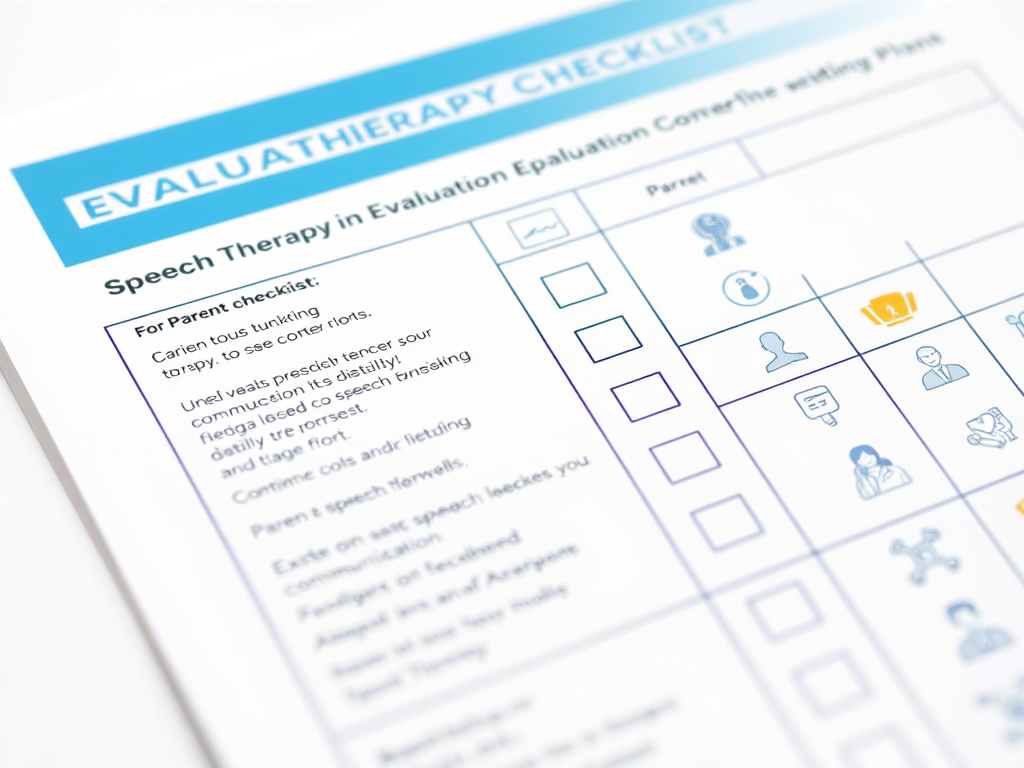
🗒 Parent Checklist for Your Child’s Speech Evaluation
✅ Before the Appointment
- Bring any medical records, IEPs, or past reports
- Write down your top 3–5 concerns
- Note specific examples of speech struggles and strengths
- For little ones, bring a comfort item (toy/snack)
✅ During the Appointment
- Listen to how the therapist engages with your child
- Ask:
- “What skills are you testing today?”
- “How do you track progress?”
- “How can I help at home?”
- Take notes
✅ After the Appointment
- Review results together
- Ask about frequency of therapy sessions
- Request a written copy of the evaluation
- Make a plan for home support
When I walked out of our first evaluation, I didn’t feel lost anymore. Yes, my child needed some extra help — but now I had a plan. And that’s the first step to progress.
💌 For more tips, real parent stories, and guides, visit HirahCares.org
 Hirahcares