As parents, the moment we feel our child’s forehead warm up, our hearts skip a beat. Fever can be worrying — but it’s also one of the body’s natural ways of fighting infection. Today, I want to walk you through what fever really means, when to be concerned, and how we can help our children feel better.
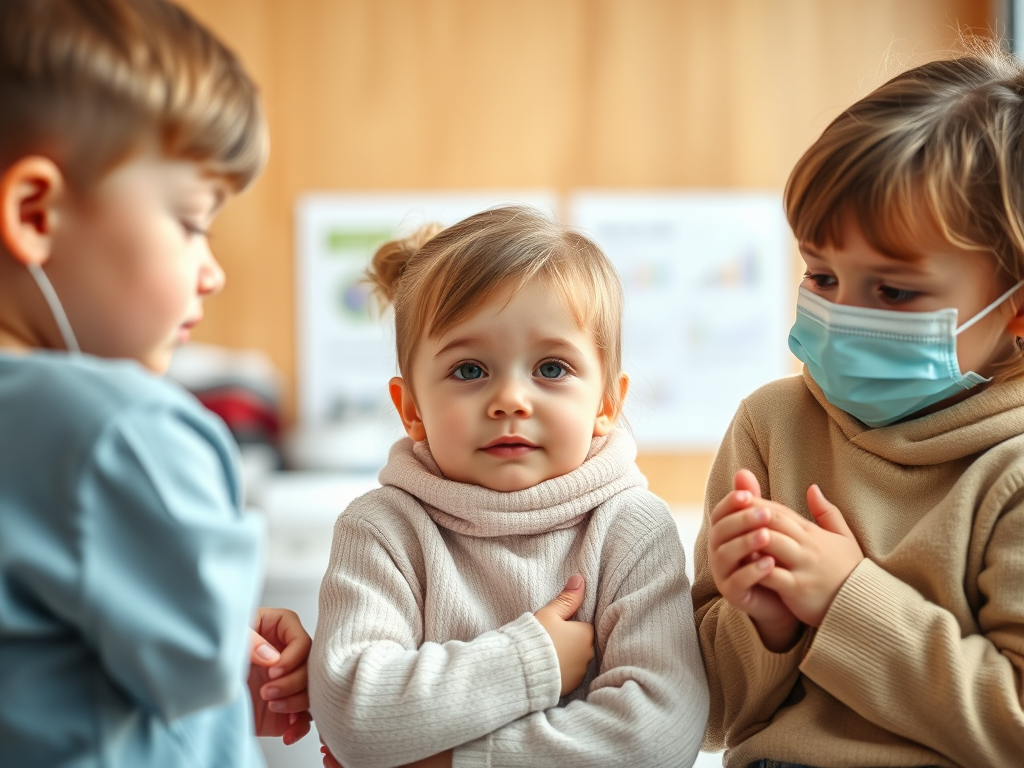
What Is a Fever?
A fever is when the body’s temperature rises above its normal range — usually above 100.4°F (38°C) when measured with a thermometer.
It’s not an illness by itself; it’s a symptom that the body is working hard to fight something, usually an infection caused by a virus or bacteria.
Why Fever Happens
Think of fever as the body’s built-in defense system. When the immune system detects a germ, it raises the body temperature to make it harder for the germs to survive. It’s a sign that your child’s body is doing its job.
When to Worry
While most fevers are harmless and go away in a few days, there are times we need to seek medical help right away:
- In babies under 3 months – any fever should be checked by a doctor immediately.
- High fever above 104°F (40°C) that doesn’t come down with fever medicine.
- Fever lasting more than 3 days without improvement.
- Signs of serious illness: difficulty breathing, persistent vomiting, severe headache, stiff neck, unusual rash, seizures, or extreme sleepiness.
How to Comfort a Child with Fever
- Offer plenty of fluids (water, clear soups, electrolyte drinks) to prevent dehydration.
- Dress them in light clothing — avoid heavy blankets unless they’re shivering.
- Give fever-reducing medicine like acetaminophen (paracetamol) or ibuprofen only in the right dose for their age and weight (check with your doctor).
- Keep the room comfortably cool.
- Let them rest — but quiet activities like reading or coloring are fine if they feel up to it.
Common Myths About Fever
- “High fever will cause brain damage.” — Brain damage from fever is extremely rare and usually happens only if the temperature goes above 107°F (41.7°C), which is very uncommon.
- “Fever must be treated right away.” — If your child is comfortable and active, you don’t always need to bring the temperature down immediately.
- “Cold baths are best.” — Sudden cold can cause shivering, which raises body temperature. Instead, use lukewarm sponging if needed.
When Fever Is a Friend
I like to remind parents that fever is often our friend, not our enemy. It means the immune system is working, building strength, and learning to fight infections — something every growing body needs to practice.
Final Words From Me to You
Fever can be scary, but with the right knowledge, we can respond with calm instead of panic. Trust your instincts — you know your child best. And when in doubt, call your pediatrician.
“A little heat today can mean a stronger body tomorrow.”
Hirahcares.org
 Hirahcares