Vaccinations for Kids: Protecting Health, Building Immunity
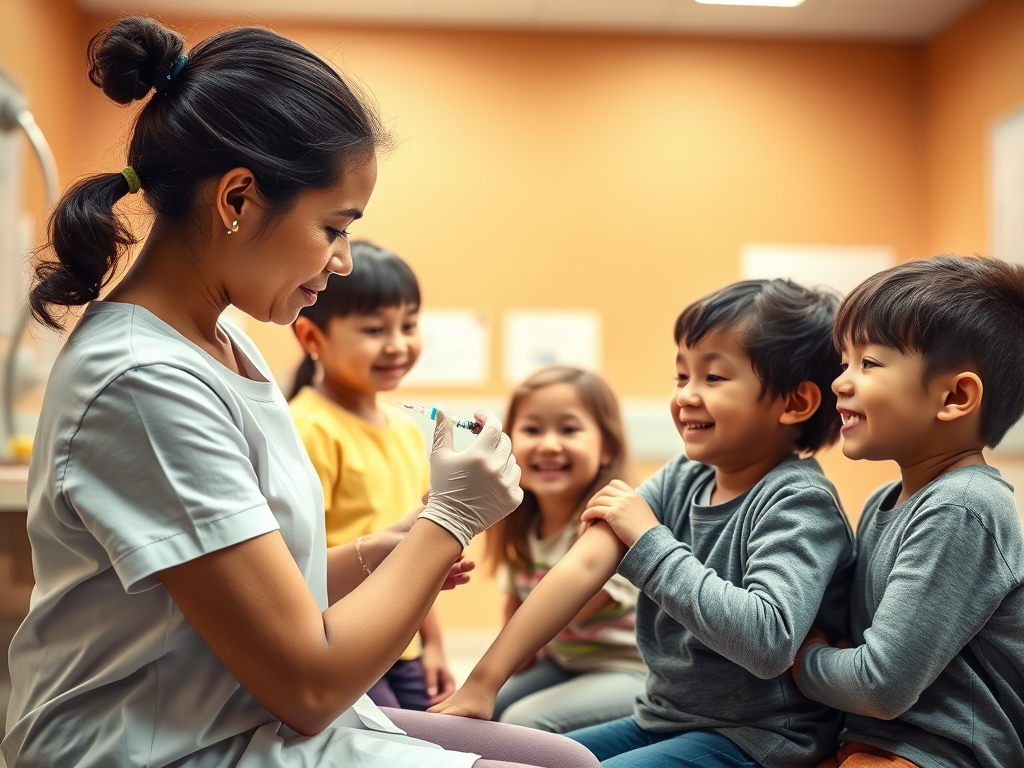
A child’s immune system is still developing, which makes them more vulnerable to infections. Vaccines work by safely introducing the body to a small, harmless part of a germ (or a weakened form of it), teaching the immune system how to recognize and fight it in the future. This means if your child is exposed to the disease later in life, their body already knows how to protect itself.
Why I Strongly Believe in Vaccines
When our kids are young, their immune systems are still learning how to fight off germs. Vaccines are like a “practice run” for the immune system — they introduce a safe, tiny part of a germ (or a weakened version of it) so the body learns how to fight it. Later in life, if our kids come into contact with the real disease, their immune system will already know how to protect them.
What Vaccines Protect Our Children From
Some of these illnesses may sound rare — and that’s because vaccines have done their job so well! But they can come back if we stop vaccinating. A few important ones are:
- MMR (Measles, Mumps, Rubella) – These viruses spread quickly and can cause serious complications like brain inflammation or hearing loss.
- Polio – Once a terrifying disease, now almost gone thanks to vaccines, but still present in some parts of the world.
- Whooping Cough (Pertussis) – Dangerous for babies and young kids because it can cause severe breathing problems.
- Diphtheria and Tetanus – Infections that can make it hard to breathe or cause painful muscle spasms.
- Hepatitis B – Protects your child’s liver from long-term damage.
- Chickenpox – Usually mild, but can lead to infections or pneumonia in some cases.
The Vaccine Schedule
Doctors follow a recommended schedule so our kids get the strongest protection at the right times. Some vaccines are given in more than one dose to “train” the immune system fully. Skipping or delaying can leave gaps in their protection.
Safety and Side Effects
Every vaccine is carefully tested and monitored before it’s given to our children. The most common side effects are very mild — maybe a sore arm, a little fever, or tiredness for a day. Serious reactions are extremely rare, and doctors know how to handle them immediately.
I like to remind parents: the risk of the diseases we’re preventing is far greater than the small risk of side effects.
Why It’s Not Just About Our Child
When we vaccinate, we’re also protecting others — newborn babies, kids with weak immune systems, and even grandparents. This is called herd immunity, and it’s one of the most powerful ways we can care for our community.
Making the Process Easier
- Bring a favorite toy or blanket to the appointment.
- Use distraction — talk to your child, sing, or let them watch a short video.
- Stay calm yourself — kids pick up on our emotions.
- Keep a simple record so you always know which vaccines they’ve had and which are coming up.
Final Thought from Me to You
Vaccines are one of the simplest and most effective gifts we can give our children — protection that lasts for years and sometimes for life. I see it not as a chore, but as an investment in their future health.
“Prevention today means freedom tomorrow — freedom from illness, worry, and unnecessary suffering.”
Hirahcares.org
 Hirahcares