If you’ve never been down the “ear tube” road before, it can feel a little overwhelming. I remember when our ENT (ear, nose, and throat doctor) first suggested them — my brain instantly went to “surgery” and “Is my child going to be okay?”
Here’s what I learned:
Why doctors suggest ear tubes
For many kids — especially those with frequent ear infections, fluid behind the eardrum, or hearing loss from that fluid — ear tubes can make a huge difference.
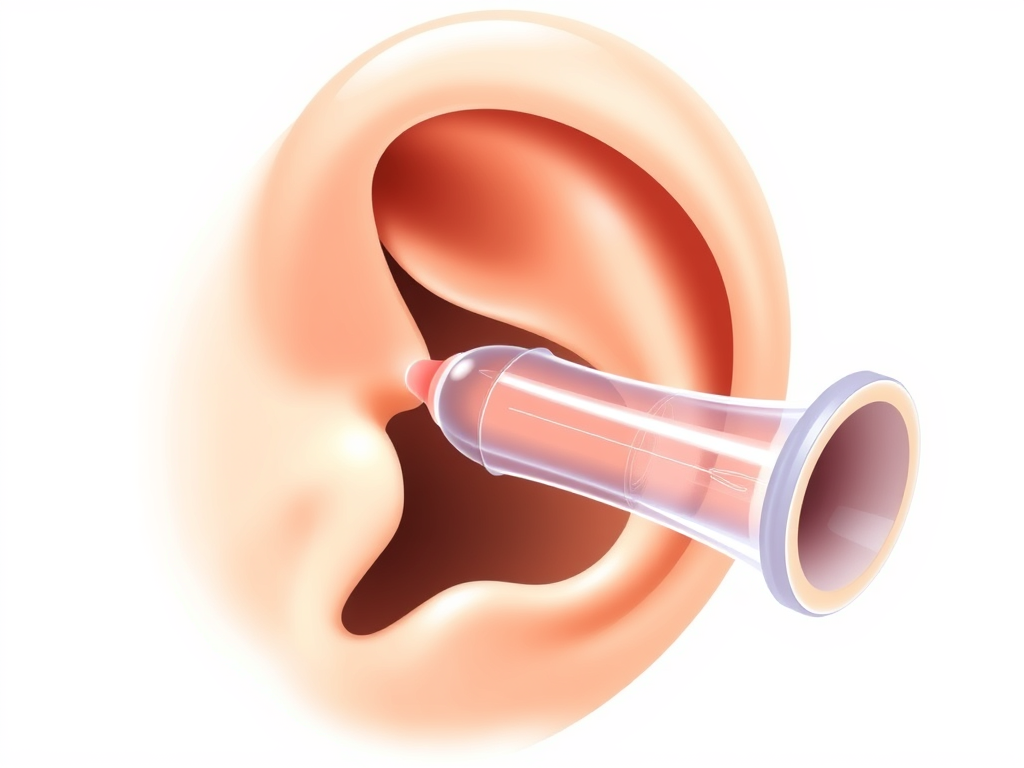
- They’re tiny cylinders (really tiny) placed in the eardrum to help fluid drain and keep the middle ear ventilated.
- Less fluid = fewer infections = better hearing.
The day of the procedure
- It’s done under general anesthesia, but it’s quick — usually 10–15 minutes total.
- Your child is usually home the same day, often within a couple of hours.
- For us, the hardest part was the “no food or drink” before surgery, especially with a little one who doesn’t understand why they can’t have breakfast.
Recovery was surprisingly smooth
- Most kids bounce right back the same day — mine wanted a snack and a nap, then was playing later that afternoon.
- There might be a little drainage for a few days, and you might get ear drops to use.
- Bath time usually stays the same, but your doctor may give instructions about swimming or using ear plugs.
The difference we noticed
- Fewer ear infections (sometimes none at all afterward).
- Better hearing — which meant clearer speech and less frustration.
- Happier kiddo overall, because they weren’t dealing with constant ear pain or pressure.
Parent tip: If your child has sensory sensitivities or anxiety about medical settings, talk to the surgical team ahead of time. Many hospitals have child life specialists who can help make the experience less scary.
Subscribe at HirahCares.org for more parent-to-parent tips, doctor visit checklists, and our favorite neuro-friendly specialists.
 Hirahcares