The first time I heard my child needed an MRI, I froze. Not because I didn’t trust the doctor, but because my mind went straight to: “How is my child going to handle this?”
If you have a neurodivergent child — autism, sensory sensitivities, ADHD, developmental delays — you already know medical procedures can be a whole different world for us.
Here’s what the process looked like for us, step by step:
1. Why the MRI was needed
Our doctor ordered it to get a clear picture of my child’s brain — to check development, look for anything unusual, and help guide therapies. MRIs don’t use radiation like X-rays or CT scans — they use magnets and radio waves to create detailed images.
2. Scheduling and preparation
- When I booked the appointment, I told them upfront: “My child has sensory sensitivities and may need extra support.”
- Some hospitals have “pediatric MRI days” or child life specialists who help explain things to kids. Ask for this!
- They may send you instructions about fasting if sedation is needed (common for kids who can’t stay still for 30–45 minutes).
3. The day of the MRI
Checking in: We arrived early to fill out forms and let my child explore the waiting area.
Sedation or no sedation:
- Some kids can do it awake with practice (using mock MRI machines for “training”).
- My child needed sedation so they could stay completely still. This meant an IV and an anesthesiologist present.
Clothing: They had to wear hospital clothes — no metal snaps, zippers, or jewelry because the machine is magnetic.
4. Inside the MRI room
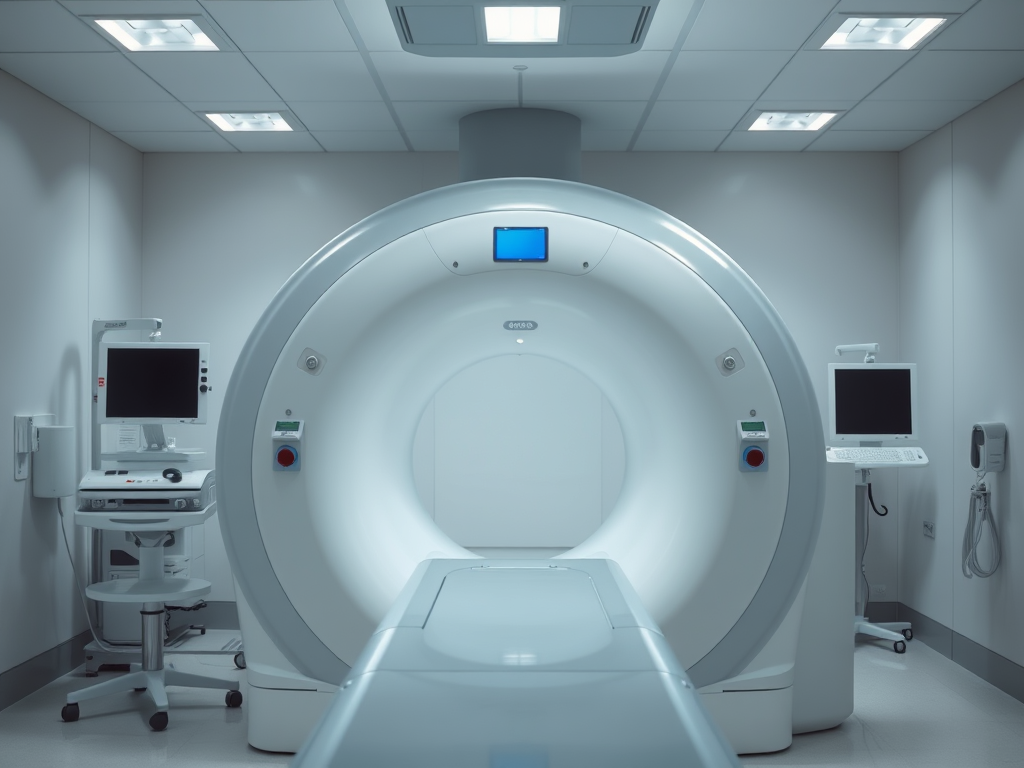
- The MRI machine looks like a giant donut.
- The room can be loud — lots of knocking, thumping, and buzzing sounds.
- If your child is awake, they usually get earplugs or headphones.
- If sedated, the medical team monitors breathing, heart rate, and oxygen the whole time.
5. After the MRI
- If sedated, your child will go to recovery until they wake up.
- They might feel groggy, wobbly, or a little cranky afterward.
- We went home the same day, and my child took a long nap.
6. Getting results
- The radiologist sends images to your child’s doctor, who will go over them with you.
- Sometimes you get answers right away, sometimes it’s a few days of waiting (which is the hardest part for parents).
💡 Parent tip: Bring comfort items — a favorite blanket, stuffed animal, or even a parent’s hoodie. For neuro kids, that familiar smell and feel can make a huge difference in a strange setting.
Hirahcares.org
 Hirahcares