If you’re new to this whole IEP world, I know it can feel like you just got dropped into a meeting where everyone’s speaking a different language.
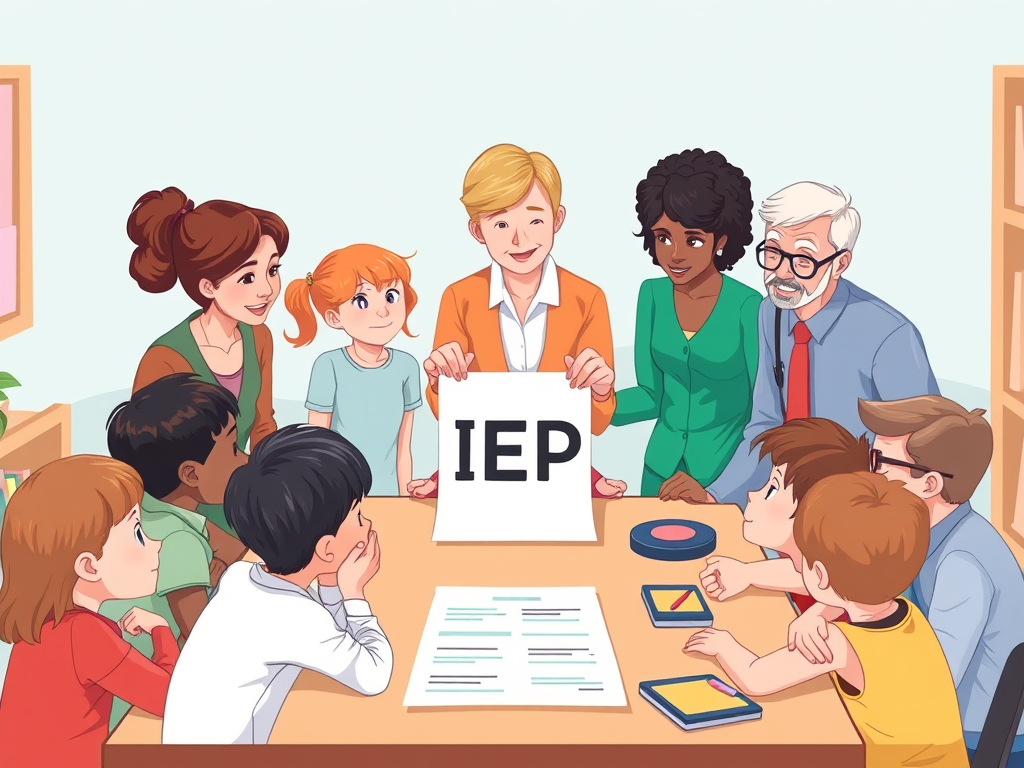
I’ve been there — sitting at a long table with teachers, therapists, and administrators, nodding my head while secretly Googling acronyms under the table.
So here’s the real talk version of what an IEP is, how it works, and why it matters for our kids.
What is an IEP?
An IEP stands for Individualized Education Program.
Think of it as your child’s education blueprint — a legal plan that says:
- What your child needs to learn successfully.
- How the school will help (services, therapies, accommodations).
- What goals your child should work toward this year.
It’s not a “nice suggestion.” It’s the law under the Individuals with Disabilities Education Act (IDEA). The school must follow it.
Who Gets an IEP?
Kids who have a disability that affects learning, like:
- Autism
- ADHD
- Speech or language delays
- Learning disabilities
- Physical or emotional challenges
Your child needs an evaluation from the school to qualify.
What’s Inside an IEP?
- Present Levels – Where your child is right now in academics, social skills, behavior, and more.
- Annual Goals – Measurable, realistic goals for the year.
- Services & Supports – Examples: speech therapy, occupational therapy, sensory breaks, one-on-one aide.
- Accommodations – Extra time on tests, visual schedules, flexible seating, etc.
- Progress Reports – How and when you’ll get updates.
Your Rights as a Parent
- You can request an IEP meeting any time — not just once a year.
- You can bring someone with you (advocate, friend, therapist).
- You must agree before the school changes your child’s placement or services.
- You can ask for changes if something isn’t working.
From My Experience with Hirah
The first time I walked into that IEP meeting, I thought I had to just sit quietly and agree with whatever the school decided.
Now I know better.
I go in with a list of Hirah’s wins, my concerns, and a clear ask for what I think she needs.
That confidence came from learning my rights and seeing what a strong IEP can do.
💌 If you’re about to have your first IEP meeting, I’ve made a free printable IEP Meeting Checklist you can grab at HirahCares.org.
It’s the same one I use for Hirah, and it’s saved me more than once from forgetting an important question.
 Hirahcares