(From One Mom Who’s Been There)
When I first started this special education journey for Hirah, the school kept using terms I didn’t fully understand — SAILS, Flusher, inclusion, mainstream… It felt like learning a whole new language. So let’s break it down, mom-to-mom, in plain English.
SAILS Class (Self-Contained / Specialized Program)
- What it is: A smaller classroom, usually just for kids who need more support than a regular class can give.
- Class size: 6–12 students.
- Support: Teacher + 1 or more aides. Lots of 1:1 help.
- Pace: Slower, more individualized, with breaks as needed.
- Curriculum: Still follows school standards, but adjusted to your child’s learning level and sensory needs.
- Why it can be great: Less noise, more structure, and your child gets more attention. Hirah thrived here in her early years because it gave her a safe space to learn without feeling overwhelmed.
- What to watch for: Sometimes there’s less interaction with neurotypical peers — so you’ll want to make sure social skills opportunities are still built in.
Flusher Class (Mainstream/Cluster with Support)
(Note: Some schools call it a “cluster” or “inclusion” model — “Flusher” is just local slang in some places.)
- What it is: Your child learns in a regular classroom alongside neurotypical peers, with special education support services “pushed in” (in the room) or “pulled out” (short sessions outside the room).
- Class size: Same as typical — often 20–30 students.
- Support: Special ed teacher or aide might be there part of the day, plus therapists (speech, OT) visit as needed.
- Pace: Same as the general class, with accommodations (extra time, modified work).
- Why it can be great: More peer interaction, modeling of age-appropriate skills, exposure to higher-level curriculum.
- What to watch for: It can be overwhelming for sensory-sensitive kids, and they might not get enough 1:1 unless the support staff is consistent.
How I Decide for Hirah
I ask myself:
- Where will she feel safest?
- Where will she make progress without feeling left behind?
- Is she getting enough peer interaction AND enough support?
For us, we’ve done both — starting in a SAILS class when she needed more structure, then moving toward a flusher class as her confidence and coping skills grew. And honestly? We reevaluate every year.
📌 Mom Tip
Don’t let school jargon intimidate you. Ask for a tour of each setting. Sit in, if they let you. Trust your gut — you know your child better than anyone.
💌 I share real-life special ed tips and what’s worked for Hirah over at HirahCares.org — subscribe so you have a friend on this journey.
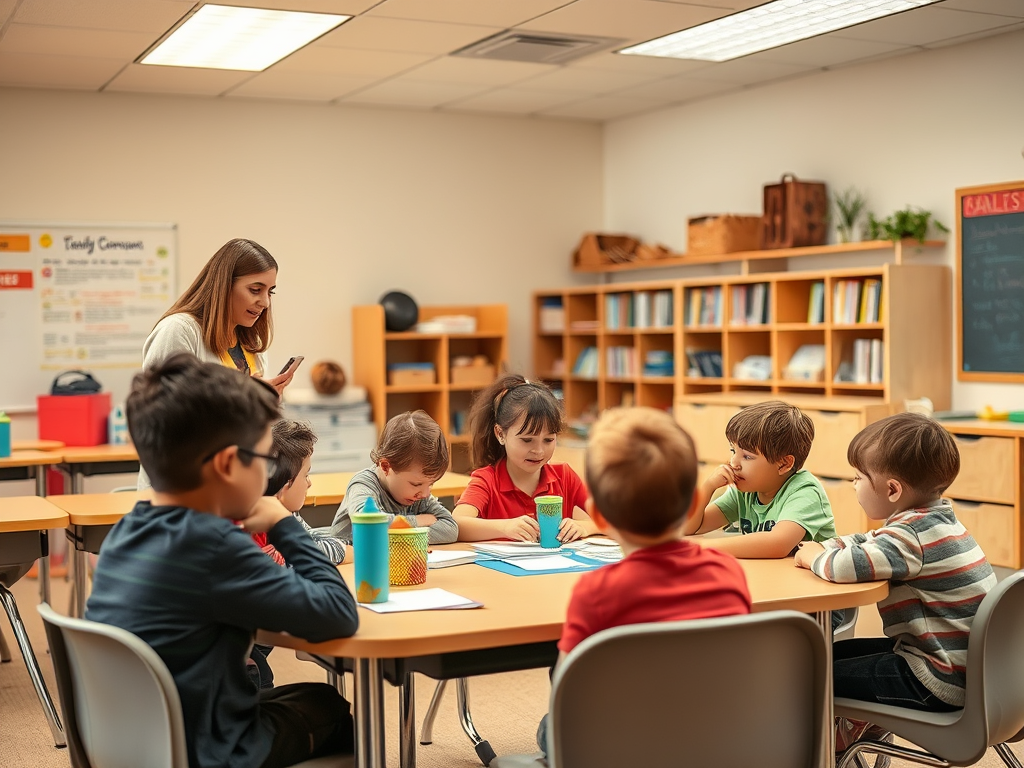
In SAILS (self-contained) classes:
- They often group by ability level, not strictly by age.
- That means you could see a 2nd grader and a 5th grader in the same room if they’re working on similar goals.
- Some parents love this mixed age setup because the younger ones learn from older role models… but sometimes, bigger kids can feel intimidating if your child is smaller or more sensitive.
In Flusher/Inclusion classes:
- These follow grade level like a typical class — so your child will be with peers close in age.
- The size difference is usually minimal, but remember, some kids just grow faster than others.
- The big plus is social age-matching, but it can be louder and faster-paced.
💌 I share real-life special ed tips and what’s worked for Hirah over at HirahCares.org — subscribe so you have a friend on this journey.
 Hirahcares