let me tell you something I learned the hard way — for our neuro kids, vision checks aren’t just about “can they see the board at school?” Vision problems can show up in ways you’d never think of.
Sometimes it’s not that they “aren’t paying attention,” “aren’t interested in reading,” or “get tired quickly” — it’s that their eyes are working twice as hard as they should.
Why an ophthalmologist matters (not just a regular eye exam)
- Neuro kids process vision differently. Even with perfect 20/20 eyesight, they can have tracking, depth perception, or focus issues.
- Behavior can be linked to vision. Squinting, rubbing eyes, getting close to the TV, avoiding books, or getting frustrated during school work could be their way of saying “My eyes hurt.”
- It’s not always obvious. Some of our kids can’t explain discomfort well — so regular checks help us catch what they can’t tell us.
Our experience with Hirah
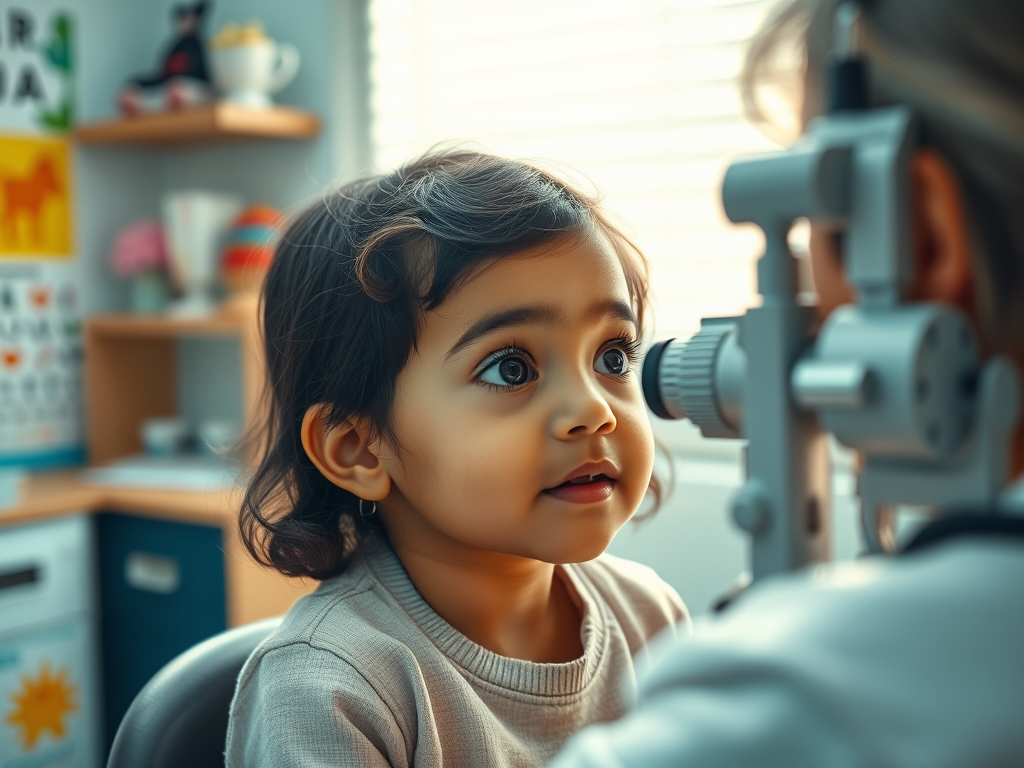
When I took Hirah to the neuro-friendly ophthalmologist, they were so patient — no rushing, no bright lights without warning, no “just sit still.” They used special tools and games to check her eyes without overwhelming her. That visit gave us peace of mind and a plan to help her see (and learn) better.
Tips for your visit:
- Find an ophthalmologist experienced with neurodivergent kids — ask other parents or your pediatrician for recommendations.
- Tell them in advance about your child’s needs — sensory sensitivities, attention span, any triggers.
- Bring comfort items — a favorite toy, weighted lap pad, or snacks for breaks.
- Prepare your child — show pictures of the office, explain “They’re just going to look at your eyes.”
Bottom line: Vision can affect learning, speech, mobility, and confidence. Don’t wait for school to tell you to check — make it part of your child’s regular care.
📌 Subscribe at HirahCares.org for more parent-to-parent tips, doctor visit checklists, and our favorite neuro-friendly specialists.
 Hirahcares