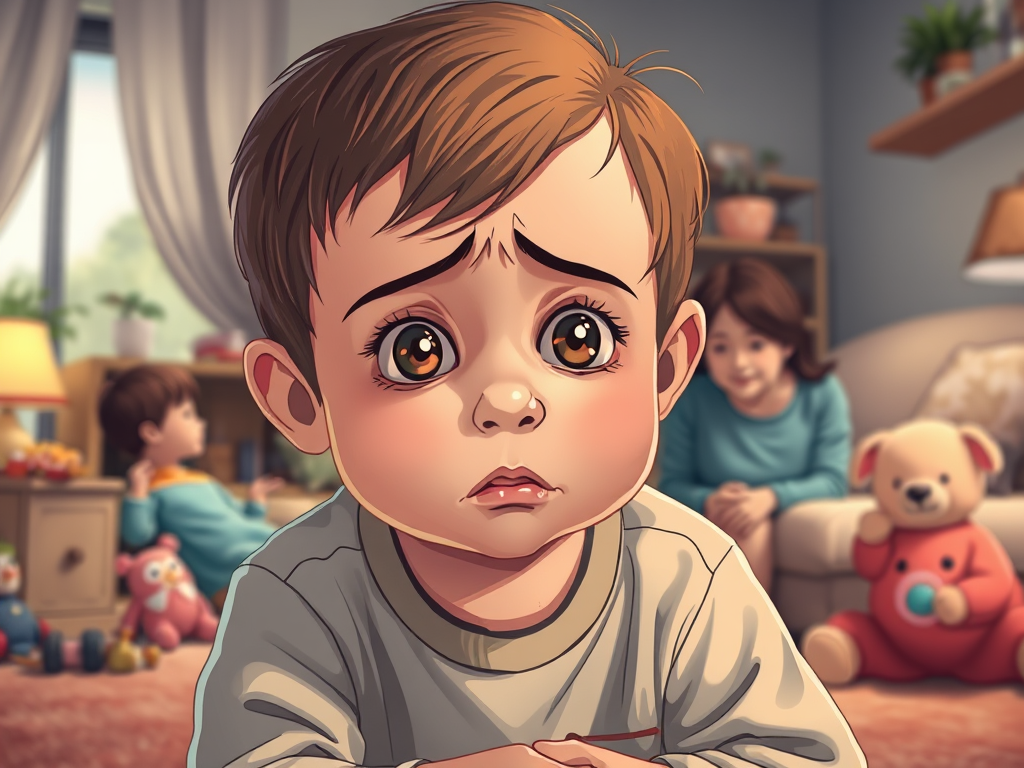
If your autistic child becomes upset or anxious when you leave, you’re not alone. Separation anxiety is common in children on the spectrum, and it can look different than in neurotypical kids.
Signs You Might Notice
- Crying, screaming, or clinging when you try to leave
- Refusal to go to school, therapy, or daycare
- Physical symptoms like stomachaches or headaches before separation
- Repeatedly asking when you will return
- Intense anxiety around transitions
Why It Happens
Autistic children often thrive on predictability and routine. Sudden separations, even brief ones, can feel overwhelming. Sensory sensitivities, difficulty understanding time, or struggles with coping skills can also make separations harder.
Tips to Help Your Child
- Prepare Them in Advance
- Use visual schedules or social stories showing when and where you will be.
- Practice short separations and gradually increase time apart.
- Keep Goodbyes Short & Calm
- Long, drawn-out goodbyes can increase anxiety.
- A quick hug, wave, or high-five works best.
- Provide a Comfort Object
- Let them carry a favorite toy, blanket, or small object that reminds them of you.
- Use Predictable Routines
- Consistent drop-off routines at school, therapy, or daycare can reduce anxiety over time.
- Positive Reinforcement
- Praise them for small steps toward independence.
- Reward systems or tokens can encourage coping skills.
- Stay Calm Yourself
- Your emotions affect your child’s. Staying calm and confident helps them feel safe.
- Professional Support
- Occupational therapists, behavioral therapists, or psychologists can provide strategies tailored to your child’s needs.
💌 Remember: Separation anxiety is a normal reaction, especially for autistic children. Patience, predictability, and small, gradual steps help them build confidence and independence.
For more tips, strategies, and resources for supporting autistic children, subscribe at hirahcares.org
 Hirahcares