I want to talk about something many parents don’t realize until it happens — SSI overpayments. If your child receives Supplemental Security Income (SSI), it’s important to know what this is, why it happens, and how to avoid it.
An overpayment happens when the Social Security Administration (SSA) gives more money than your child is eligible to receive. This can feel scary, but it’s not a punishment — it’s simply the system trying to correct the amount.
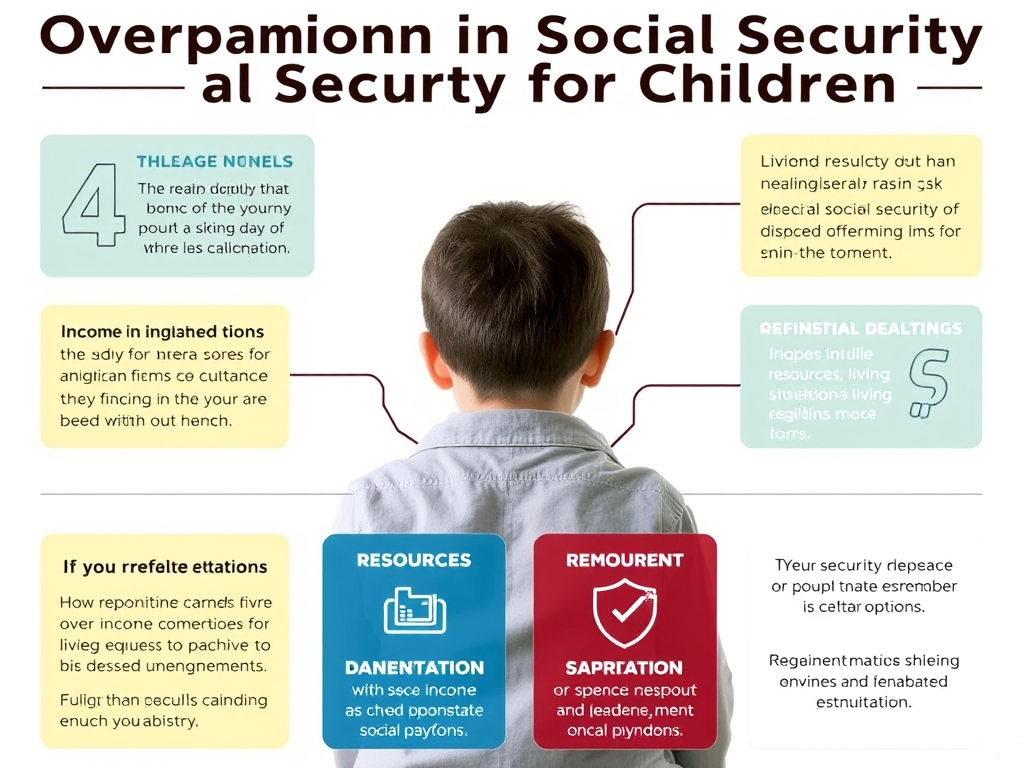
Why Overpayments Happen
Here are the most common reasons:
- Income changes weren’t reported – like a job, a bonus, or a one-time lump sum payment.
- Resources exceeded limits – SSI has strict rules about how much your child can have in savings or other assets.
- Living situation changes – moving in or out of a household, or changes in who pays for housing.
- SSA errors – sometimes mistakes happen in calculating benefits.
What Happens Next
If an overpayment occurs, SSA will send a notice explaining:
- How much was overpaid
- Why it happened
- How to repay it
Repayment can be done all at once or in monthly installments. If paying it back would cause serious hardship, you can request a waiver, but you have to show it wasn’t your fault.
How to Protect Yourself
- Report any income or lump sum payments immediately. Even gifts, settlements, or inheritance counts.
- Track your resources so you know when you’re approaching the limit.
- Ask SSA questions if you’re unsure whether something counts toward SSI.
I know managing SSI while caring for your child can feel overwhelming, but being proactive can save a lot of stress. Reporting changes early isn’t just about following the rules — it’s about protecting your child’s benefits.
💌 Want more tips for navigating SSI and supporting your child?
Subscribe at hirahcares.org to stay updated with helpful advice for parents and caregivers.
 Hirahcares