Grocery Shopping with a Child Who Has Special Needs: Tips for Making It Easier
Grocery shopping can feel overwhelming when you’re caring for a child with special needs, especially if they’re under 10 and need extra support. Between keeping them safe, managing sensory challenges, and getting everything on your list, the trip can feel more like a marathon than a quick errand. The good news? There are ways to make it easier — and yes, you will get the help you need at checkout.
1. Don’t Feel Shy About Using the Disability Cart
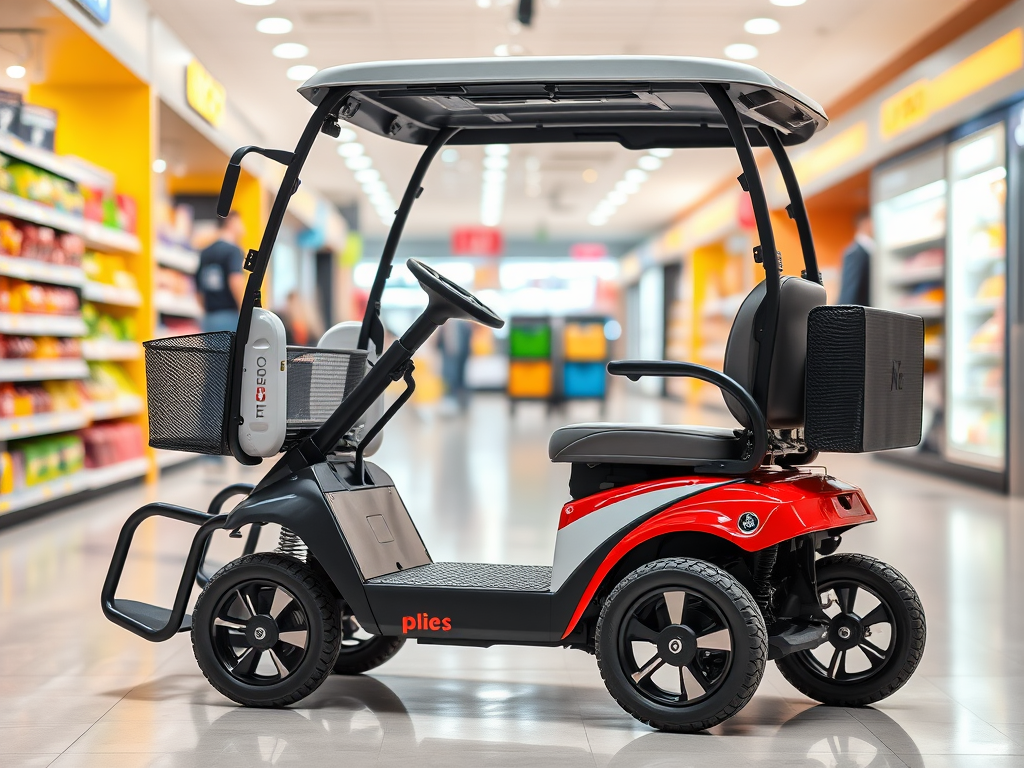
If your store has electric or disability carts, remember: they are there to make life easier. Think of it as a tool, just like a stroller, car seat, or baby carrier. No one else knows your situation, and you don’t owe anyone an explanation. Using what’s available helps you get through the store faster, safer, and with less stress.
2. Shop During Low-Stress Times
If possible, go when the store is less crowded — early mornings, late evenings, or weekdays instead of weekends. Shorter lines and fewer people mean less stimulation for your child and more peace of mind for you.
3. Use Comfort Supports for Your Child
Bring along whatever helps your child stay regulated: snacks, headphones, a favorite toy, or even a tablet. Many stores also offer Caroline’s Carts, designed for kids with special needs who have outgrown a traditional shopping cart seat but still need support. Ask customer service if your store has one.
4. Keep the Trip Simple
Make a short list and stick to essentials. The less time you spend in the store, the better the experience for both you and your child.
5. Take Advantage of Store Services
Many grocery stores now offer online ordering with curbside pickup or home delivery. You can still choose your own produce if you want, but you’ll cut down on in-store time dramatically.
6. Remember: Checkout Help Is Always There
If you’re worried about how you’ll handle everything at checkout, take a deep breath. Most stores are more than willing to help you bag, load, and even carry groceries to your car if needed. Don’t hesitate to ask — that’s what they’re there for.
You’re not alone in finding grocery shopping challenging with a child who has special needs. Using available tools, planning ahead, and remembering that help is always there can make the experience more manageable. The disability cart, curbside pickup, or Caroline’s Cart are not signs of weakness — they’re signs that you’re doing what’s best for your family.
For more tips and support, please subscribe at hirahcares.org.
 Hirahcares