Constipation is when bowel movements become infrequent, hard, or painful. It’s common in children, including those with special needs, and can affect mood, appetite, and overall comfort.
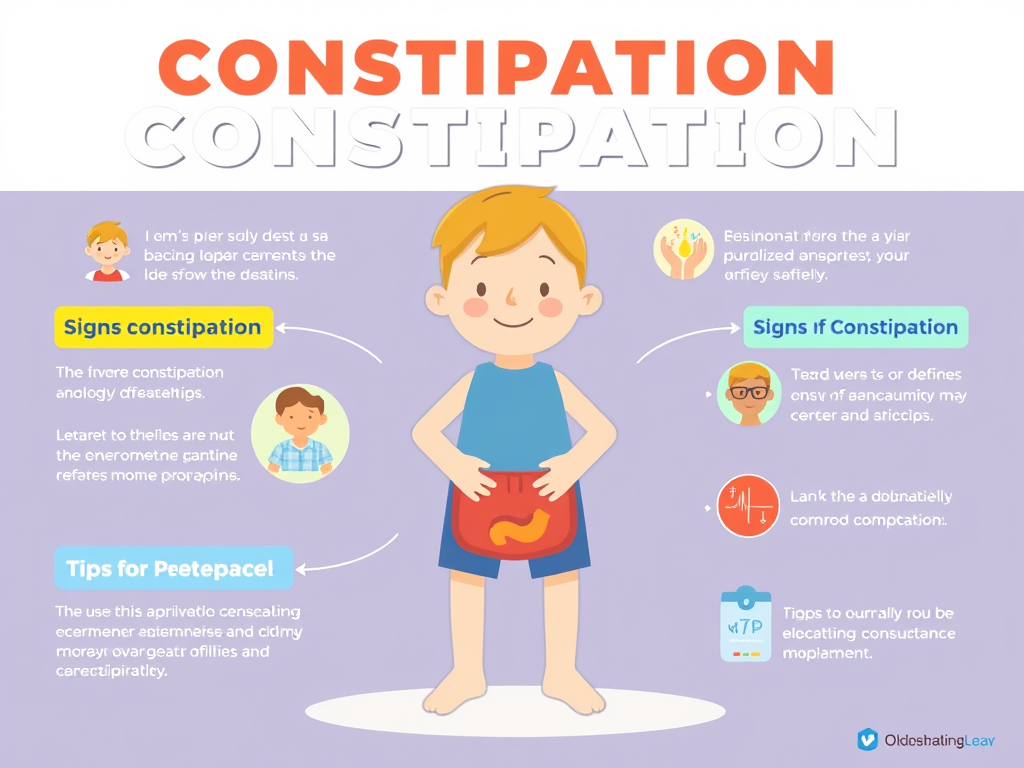
Common Signs of Constipation
- Infrequent bowel movements (less than 3 times a week)
- Hard, dry, or painful stools
- Stomach pain or bloating
- Withholding stool (especially in children who fear discomfort)
- Irritability or discomfort after meals
Causes
- Low fiber intake (fruits, vegetables, whole grains)
- Dehydration or not drinking enough fluids
- Changes in routine (travel, school schedules)
- Certain medications
- Low physical activity
- In children with special needs, sensory or behavioral challenges may also affect regular toileting habits
Tips for Relief & Prevention
- Increase Fiber: Add fruits, vegetables, oats, and whole grains to meals.
- Stay Hydrated: Encourage water throughout the day; avoid too many sugary drinks.
- Establish Routine: Try to have a consistent bathroom schedule, especially after meals.
- Encourage Movement: Physical activity helps stimulate digestion.
- Use Supportive Seating: For children with special needs, a footstool or supportive seat can help with posture for easier bowel movements.
- Medical Support: For chronic constipation, consult your pediatrician. Sometimes stool softeners or other treatments may be necessary.
When to Seek Help
- Blood in the stool
- Severe abdominal pain
- Vomiting
- Persistent constipation not improving with diet and lifestyle changes
Subscribe today at hirahcares.org and get updates straight to your inbox.
 Hirahcares