
Pip: Hirahcares has a way of handing you a parable and leaving you quietly reassessing your entire morning commute.
Mara: Today’s episode comes from Hirah’s Light — Shining hope for special needs families — and it goes deep on one idea: that gratitude isn’t a feeling that arrives on its own, it’s something you have to reach for, especially when life is hard.
Pip: Let’s start with the story at the center of that idea.
Gratitude is the key to happiness.
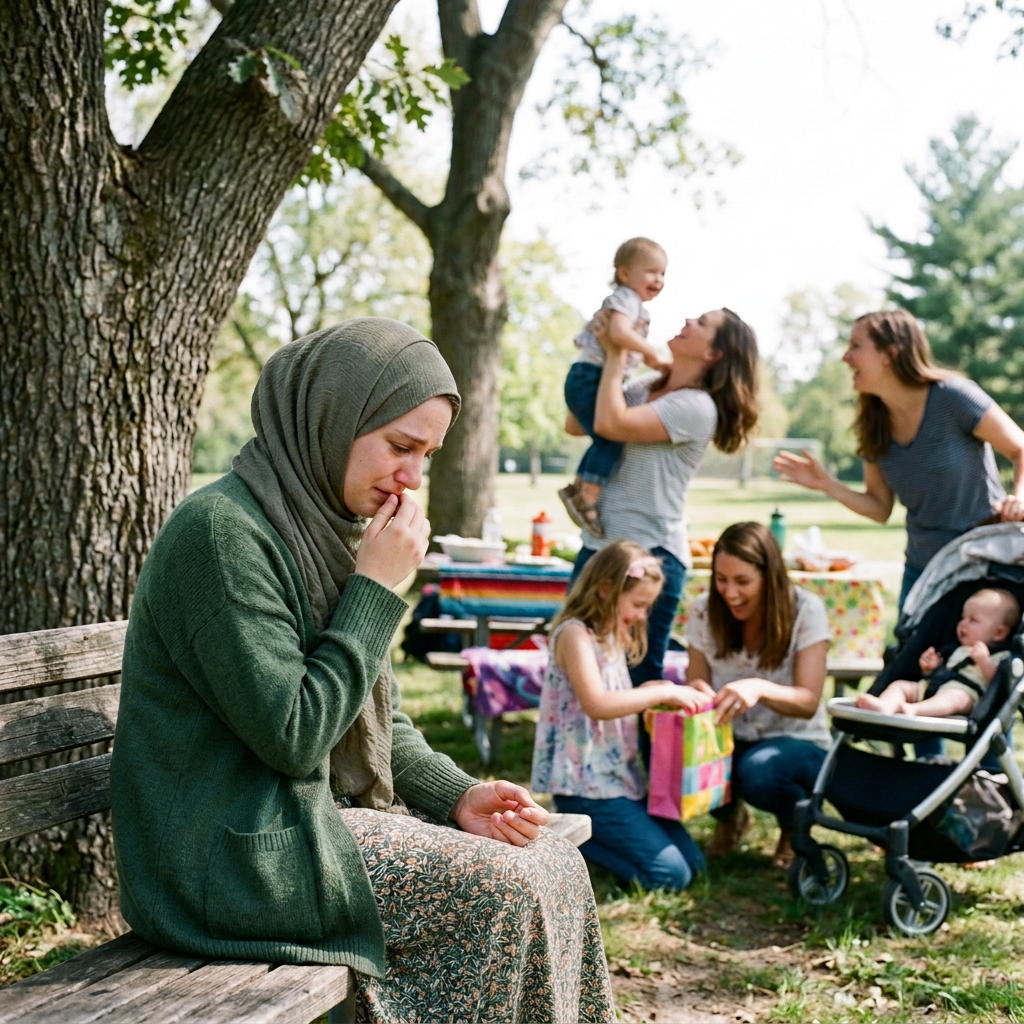
Mara: The post opens a question that a lot of people carry quietly: why does everyone else seem to receive blessings while my life is full of pain? That’s the real tension here — not whether hardship exists, but what we do with the comparison.
Pip: The post answers it through a parable. A woman, years of unanswered prayers behind her, visits a wise old man and gets handed a basket full of other people’s worst moments. He sets the terms plainly: “Each paper contains a different person’s greatest trial. Choose one. If you wish, you may exchange your burden for the one you pick.”
Mara: And what she finds stops her cold. Terminal cancer. A child who dies before the parent. Twenty years in prison for a crime you didn’t commit. Each slip of paper heavier than the last — and none of them hers.
Pip: There’s something almost clinical about the structure of that scene, which is exactly what makes it land. It doesn’t argue you into gratitude; it just shows you the inventory.
Mara: And the shift it produces is precise. She asks for her own burden back. The old man’s response is the moral the whole story is built around: “Every person you meet is carrying a struggle that you cannot see. Be grateful for what Allah has given you, and trust that His wisdom is greater than your understanding.”
Pip: The woman goes home to the same life. Nothing has been fixed, nothing removed. That’s the part worth sitting with.
Mara: The post closes with a verse from the Qur’an — “Perhaps you dislike something while it is good for you, and perhaps you love something while it is bad for you. Allah knows, while you do not know” — which reframes hardship not as punishment or neglect, but as a limit on our own perspective.
Pip: Gratitude, by that reading, isn’t optimism. It’s a kind of epistemic humility — admitting you don’t have the full picture.
Mara: And the woman in the story demonstrates exactly that. Her problems didn’t disappear. Her heart changed. That distinction is what the post is really about.
Pip: The basket of burdens is a hard image to shake — in the best way.
Mara: It’s a reminder that the families Hirahcares writes for carry real weight, and that reframing isn’t the same as minimizing. More to come next episode.
A supportive space sharing autism resources, parenting encouragement, practical tools, and inspiring reminders for families on the special needs journey.
HIRAHCARES.ORG
 Hirahcares